Technology

Weight Watchers Freestyle Summer Recipes

Weight Watchers Freestyle Summer Recipes

weight watchers diet

Verywell / Debbie Burkhoff

As one of the most popular diet plans over the last 50 years, Weight Watchers—or as it's currently named, WW—has certainly helped some people achieve weight loss success. On this plan, foods are assigned different SmartPoints values, and you're given a daily allowance of SmartPoints to eat. You'll need to track your food every day to ensure you stay within your target range to support your weight loss goals.

Weight Watchers has evolved many times since its inception, and the current plan does offer advantages compared to those of the past. Point values of foods are based on more than just calories, and the company has made a targeted effort to shift their focus from pounds shed to overall wellness. However, some people may still get caught up in focusing on numbers and restriction, rather than embracing healthy behaviors.

What Experts Say

"The WW diet assigns points to foods and exercise and requires a daily tally/balance of points. Many experts agree that this can lead to seeing exercise as a way to compensate for food and that tallying points, just like calories, could create a focus on numbers rather than health." – Willow Jarosh, MS, RD

Background

History of the Company

Weight Watchers started in the early 1960's. Founder Jean Nidetch invited a group of friends to her New York City home to discuss the best methods for losing weight. That small group meeting evolved into a core part of past and current Weight Watchers programs.

One of her early group participants, Al Lippert, encouraged Nidetch to incorporate Weight Watchers in 1963. Lippert helped Nidetch to do so, and the business expanded rapidly. They became quite wealthy when the company went public in 1968.

Weight Watchers was later sold to the H.J Heinz company – yes, the ketchup manufacturer – in 1978 for $71 million. Heinz later sold the business to a European investment firm in 1999, where it was put up again for public offering in 2001.

In 2018, the company shifted it's focus from weight to wellness, re-branding as WW International, Inc, with the tagline "Wellness that Works."

Evolution of the Diet Plan

While Weight Watchers is known for its point system today, the original 1960s program was a fairly simple list of restricted, limited, and unlimited foods. Most of the diet's principles were those Nidetch had picked up in a program at an obesity clinic at the NYC Department of Health.

The rules of the original program were far stricter than the current program. For example, if you were following Weight Watchers in the 1960s you'd need to...

  • Eat fish at least five times per week
  • Only eat eggs a few times a week, and only at breakfast
  • Eat 3-5 servings of permitted fruit each day, but avoid "forbidden fruits" (like bananas, watermelon, and cherries)
  • Keep some foods off-limits, like bacon, avocado, peanut butter, and yogurt

Throughout the 1970s and 1980s, variations on this exchange style meal plan were adopted. It wasn't until 1997 that points were introduced, and that has evolved many times since. Here's a list of the different incarnations of points-based programs:

  • 1997 – 1-2-3 Success Program, the first points system which assigned values to foods based primarily on their caloric value
  • 2000 – Winning Points, a more individualized points system that did not have any food exclusions and included adjustments for physical activity
  • 2004 – Turnaround Program, which gave participants a choice of either the Core Program (a non-points based plan with a list of compliant vs. non-compliant foods) or The Flex Plan (a points plan that allowed eating anything as long as it was within the daily points allowance)
  • 2008 – Momentum Plan, a crossover between the Core and Flex plans that was point-based but emphasized a list of filling foods
  • 2010 – PointsPlus Plan, an overhaul of all the previous plans. This attempted to address the fact that although an apple and a handful of potato chips may have the same calories, they are not nutritionally equal. The new points system took into account factors like fat, protein, carbohydrates, and fiber.
  • 2015 – SmartPoints Plan, an update to PointsPlus that also emphasized exercise with FitPoints
  • 2017 – WW Freestyle, a plan that expands SmartPoints zero point foods (which don't need to be tracked) to include things like lean proteins. This is the plan currently used today.

How It Works

The current WW Freestyle plan is based on their SmartPoints system. Every food has an assigned number of points, and you'll receive a daily budget of SmartPoints to use throughout the day.

There is also a weekly cushion of extra SmartPoints which can be used to eat a little extra each day or can be allocated towards a special event that week that's point-heavy (like a friend's BBQ or a wedding).

There are no off-limit foods on WW, but the plan does encourage participants to eat nutritious options by steering you towards zero point foods. There are more than 200 of these foods, meaning you can enjoy them without tracking or measuring. These include many fruits, vegetables, and lean proteins.

Weight Watchers offers three different tiers of membership to help you assess and track your SmartPoints:

  • Digital Plan – Includes use of the WW app to track food and activity, access to the community, and 24/7 online chat support
  • Workshop Plan – Includes everything in the digital plan, plus weekly group workshops with guidance from wellness coaches
  • Coaching Plan – Includes everything in the other two plans, plus access to one-on-one coaching support with unlimited phone calls

Pros and Cons

Weight Watchers is very appealing for many people looking to eat better since all foods can fit in the diet. It offers flexibility to enjoy meals at a special event or while eating out (provided it fits in your points allowance) and promotes many nutritious options in the zero points category. It's also been shown in research to support weight loss and tied to a reduction in diabetes risk among those with pre-diabetes.

However, there are also some downsides to the program. The focus on counting points can be cumbersome and feel restrictive for some people. It can also create an unhealthy mindset around food, encouraging people to skip meals so they can "save up" points for an unhealthy meal later. And though it's not expensive on a weekly basis, the cost can add up depending on how long you feel you need to stay on the program to reach your goals.

Common Myths and Questions

Even though Weight Watchers has been around many years, the continued evolution of the program has led to confusion about some parts of the diet.

Myth: Weight Watchers is a great way to lose weight quickly.

Fact: The goal of the program is slower, sustainable weight loss. It recommends losing no more than two pounds per week (after the first three weeks).

Myth: Once you hit your weight loss goal, you no longer need to follow the diet.

Fact: Many people fall into the cycle of losing weight on the program, then "going off" the program, and gaining it back. Unfortunately, this is very common with any diet plan.

This doesn't mean you have to pay for Weight Watchers (or any other diet program) for life. But if you have a certain weight that you are striving to maintain, you'll need to stick with the core tenants of healthy eating and caloric balance for life. On the flip side, you can choose to let go of the focus on weight and simply enjoy a healthy relationship with nutritious foods.

Myth: You have to go to group meetings to be part of Weight Watchers.

Fact: Weight Watchers offers several tiers of membership, and one is a digital-only option. With this plan, you participate in the program on your own from the comfort of your home.

Myth: At Weight Watchers meetings, you have to weigh in publicly.

Fact: You do not. The meetings are not designed as a method of public humiliation but rather for accountability. Your weigh-ins are done in private with only the group facilitator, and then you'll be able to discuss tips for sticking with your goals in the larger group setting.

Myth: You have to eat pre-packaged frozen meals.

Fact: While there are frozen meals that are branded with SmartPoints values, you do not have to eat these. You can eat any food from the grocery store, restaurant, farmers market, etc. You only have to worry about staying within your points range.

Myth: Weight Watchers is only for women.

Fact: Though Weight Watchers has traditionally attracted female participants, both men and women are welcome to use the program.

How It Compares

Though there are some slight differences, Weight Watchers is very similar to the USDA recommendations for a healthy balanced diet. For example, the program emphasizes fruits and vegetables as zero-point foods—in line with how the USDA recommendations encourage you to make half your plate fruits and vegetables. Or, consider that foods which are less nutritious (for example, those with lots of added sugars and unhealthy fats) tend to be very high in SmartPoints. This discourages users from eating them regularly, similar to how USDA recommendations advise against frequent consumption.

One slight difference though—while the USDA gives guidance based on calories or servings, Weight Watchers uses its proprietary points system.

Weight Watchers also has some similarities to other popular diets but varies in its effectiveness and sustainability. Here's a quick overview of how it compares:

  • Jenny Craig – Some research has suggested Jenny Craig may lead to more weight loss than Weight Watchers. However, Jenny Craig relies on pre-packaged meals which may be unsustainable for long term compliance.
  • Nutrisystem – Like Jenny Craig, Nutrisystem is another packaged meal company. While it may be convenient, it lacks the lifestyle and meal preparation skills that are encouraged within the Weight Watchers program.
  • Low-Calorie Diet – Both Weight Watchers and a low-calorie diet require tracking food and can lead to weight loss. However, strict low-calorie diets tend to be far more restrictive than Weight Watchers.
  • Optavia Diet – The Optavia Diet ranks as the number two best diet for fast weight loss (tied with Atkins, keto, and Weight Watchers) due to lower caloric intake.

A Word From Verywell

If you're trying to lose weight, Weight Watchers can offer the structured support you may need. By tracking your food daily and weighing in weekly, you're encouraged to self-monitor and become aware of your choices. These skills can help you recognize problem areas and make healthier choices, leading to weight loss.

The plan is not for everyone though. For some people, constant tracking can lead to an unhealthy obsession with numbers. For others, the freedom to eat anything can almost feel paralyzing in their weight loss journey.

No matter what course of action you choose, remember that the best diet is the one you enjoy and that you can stick to for life.

Weight Watchers Freestyle Summer Recipes

Source: https://www.verywellfit.com/weight-watchers-overview-4691074
Gray Black And Pink Living Room

Gray Black And Pink Living Room

Every item on this page was hand-picked by a House Beautiful editor. We may earn commission on some of the items you choose to buy.

10 Gray Living Rooms That Aren't A Total Snooze Fest

Honestly, gray is so hot right now.

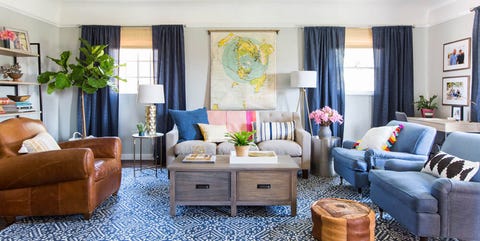
Living room, Room, Furniture, Interior design, Property, Couch, Home, Building, Coffee table, House,

Courtesy of Tessa Neustadt for Emily Henderson Designs

Gray might sound like the most boring wall color on the planet, but hear us out. It can be insanely chic—seriously—and pretty cozy, too. Plus, if you're going wild with color and pattern, you need a neutral wall to ground everything. Once you see these gray living rooms, you'll be convinced to try it out yourself. Trust.

1 of 10

Add Paneling

Even though it's subtle, the added texture you get from wood paneling helps break up an all-gray wall. A bold, colorful rug adds even more dimension.

See more at Amber Interiors.

2 of 10

Try A Warm Gray

A warmer shade of gray will generally feel cozier than a more stark, cool tone. Even though it might feel blah, if you're decorating with tons of pattern and color, you need a basic wall color.

See more at Emily Henderson.

3 of 10

Mix In White

White + gray is the soft and soothing color combo your living room needs. Add a shag rug and we're done for.

See more at Erin Gates.

4 of 10

Give It A Modern Touch

Blend neutral gray walls with sleek, modern furniture and lighting. It'll look chic rather than dated.

See more at Nicole Franzen.

5 of 10

Mount A Gallery Wall

The easiest way to break up a neutral wall? That gallery wall you've always been wanting to try.

See more at Erin Gates.

6 of 10

Hang A Chandelier

A crystal chandelier can take gray from a little blah to totally glam. Keep the rest of the decor understated for a more relaxed feel.

See more at Lark & Linen.

7 of 10

Combine It With Gold

Is there anything blah about gold? That'd be a hard no. This dark and saturated shade of gray has blue undertones, so it feels a little more impactful.

See more at Erin Gates.

8 of 10

Go Soft and Subtle

In order to make the large, open rooms of a northern California house more livable, the designer chose a white, monochromatic palette and mixed in lots of texture. It feels effortless, but still elegant.

9 of 10

Create A Cozy Study

Go all in on a dark shade. Sherwin-Williams's Slate Tile envelops this New Jersey study from floor to ceiling.

10 of 10

Mix Charcoal and Camel

A wide-open New York loft feels like home thanks to comfy furniture and eclectic decor. Camel curtains help warm up the gray walls.

Commerce Editor Sienna Livermore is a commerce editor at Hearst covering best-selling products, home items, fashion, beauty, and things you just can't live without.

This content is created and maintained by a third party, and imported onto this page to help users provide their email addresses. You may be able to find more information about this and similar content at piano.io

Gray Black And Pink Living Room

Source: https://www.housebeautiful.com/room-decorating/colors/g1212/decorating-with-gray/

Receiving Area Living Room

Receiving Area Living Room

Family Room vs. Living Room: Where the Differences Lie

Living Room

The different rooms used as places a family can gather and for entertaining visitors are known as living rooms, great rooms, dens, drawing rooms and sitting rooms. Each may have different purposes and design styles.

Interchangeable Terminology

The terms living room and family room are used interchangeably for the average family today. There are some families that may still maintain a formal lifestyle and, in that case, would have a home with both a living room and a family room.

Living Room

Traditionally, the living room was located the front of the home just off the foyer and used for receiving guests or formal entertaining. The location allowed the foyer and living room to be closed off from the rest of the house. The décor style was formal with high-end furniture and furnishings. The living room typically included certain pieces of furniture depending on the room size. These combinations included:

  • Average-sized living room: A couch, two matching side chairs, matching pair of end tables and matching table lamps
  • Medium-sized living room: A loveseat, two matching side chairs, matching pair of end tables and matching table lamps.
  • Medium-sized living room with fireplace: Matching pair loveseats set across from each other, formal coffee table, matching end tables and table lamps
  • Larger living rooms: A couch, loveseat and one or two matching side chairs, matching end tables with table lamps and possibly sofa table with matching buffet table lamps

Room for Receiving Guests

The home owners had the option of entertaining their guests here without needing to invite them deeper into the house. This provided a great deal of privacy for the family.

Drawing Room

The drawing room was a popular term used during the 17th to 18th centuries. During the Victorian era, it was called the parlor or front room. This room eventually evolved into the living room. Regardless of the name, this room always served as the formal reception area of guests. Some furniture pieces may have included:

  • A settee, pair of side chairs, embroidered footstools and a small round table covered with a lace tablecloth for serving tea were common furniture pieces.
  • A piano (usually upright) was against one of the walls for entertainment.
  • An embroidery stand was often a mainstay since most women worked on their projects while sitting in the drawing room.
Drawing Room

Family Room

Family rooms were designed as informal gathering places for the family. Originally, the family room was located near the kitchen for the convenience of the family. The furnishings were less expensive than the living room and casual in design style. In contemporary homes, it has been incorporated into a large space with the kitchen usually at one end of the room.

  • Some furniture favorites include, sofas, loveseats, wing-backed chairs, recliners, side chairs, end tables (not always matching), table lamps and floor lamps for reading.
  • Depending on the size of the room, a pool table might be placed at one end of the room.
  • A ping pong table might be used instead of a pool table.
  • A game table is often placed in front of a window with two or more chairs.
Family Room

Often, there is a deck or patio right off of this room that serves as an overflow area for entertaining and to accommodate the family's outdoor living.

Great Room

By the late 1980s, American lifestyles were less formal, making the separate living room obsolete for the majority of new home construction. The great room became a popular room design that combined the living room and family room. It was a bigger and more encompassing room that featured high ceilings, often two-storied and had enough room for multiple family activities, such as watching TV, playing games, studying and reading. The great room was adjacent or contained the kitchen. The great room was usually built in the center of the home. Furnishing styles were casual and ranged from inexpensive to high-end that included:

  • Comfortable furniture, such as sofas, loveseats, recliners and side chairs were a must for this room.
  • Side tables and a game table were popular for this room.
  • A desk would be placed in a corner or end of the room often near a bookcase.
Great Room

Reclaiming Square Footage

By the late 1990s and early 2000s, fewer homes were being built with great rooms since they were expensive to heat. Another factor was the waste of space with the open two-stories. Homeowners began to reclaim the square footage lost from the empty space of the open, second-floor ceiling. This change in design allowed more usable square footage under the same roof. In fact, many homeowners remodeled their great rooms to accommodate upstairs bedrooms and home offices.

Great Room vs. Living Room

The differences between a great room and living room are very distinct. The great room was usually placed in the center of the home while the living room was positioned in the front of the home for easy receiving of guests coming through the front door. Modern concepts make the terms living room and family room interchangeable along with den. Great rooms fell out of favor over the years for numerous reasons and are mainly an obsolete design term.

Den

The den is a cozy informal room that's smaller than a living room, family room or great room. In the past, it was often called a study. It is used by family members when they want a private area to read, study or work. Historically, this room featured bookcases and often served as the family library. This room is located out of the main traffic areas of the house, often upstairs or deep within the house. The design style focuses on comfort first. Some house designs still feature authentic dens while others have morphed the square footage into a home office.

  • The den was a cozy room with overstuffed upholstered chairs with ottomans (often leather) and a couch long enough for a Saturday afternoon nap.
  • A desk was usually placed in this room for bringing work home and doing the family bill paying each month.
  • Several types of lighting were used to accommodate various tasks, such as a desk lamp for work or a floor lamp by a side chair for reading.
Den

Sitting Room

A sitting room is a smaller room in the house that is dedicated to conversation. You will usually find chairs instead of a mix of loveseats, sofa and chairs due to the room size and purpose of the room.

  • The popular furniture choice is two or four armchairs facing each other, often overstuffed and very comfortable.
  • The design can be formal or informal.
  • This room is used for private intimate conversations without the distraction of a TV and other electronic equipment.
Sitting Room

Differences in Room Terminology

Interior design, like any design or art is constantly evolving as well as its terminology. The names used for rooms also evolve along with the changes governed by lifestyles and function of the rooms.

© 2021 LoveToKnow Media. All rights reserved.

Receiving Area Living Room

Source: https://interiordesign.lovetoknow.com/interior-design-basics/family-room-vs-living-room

Modern Wall Mirror Design For Living Room

Modern Wall Mirror Design For Living Room

living room

Decorating a living room has never been easier with inspiration from these gorgeous spaces. Discover living room color ideas and smart living room decor tips that will make your space beautiful and livable.

1 of 34

Living Room Focal Points

Mini Farmhouse Makeovers

Let fireplaces and panoramas take center stage. Paint walls white or in a neutral color cued by views outside the windows. Carry the wall color to furniture arranged in a way that promotes conversation and allows guests to enjoy flickering flames in the hearth as well as window-framed vistas. Anchor the grouping with a prettily patterned area rug; carry the rug's hues upward via accent pillows boasting organic motifs.

  • Watch: A great living room starts with a great furniture arrangement. See the secrets now!

Advertisement

Advertisement

2 of 34

Tailor to Fit

101877715

Flirty and feminine, this relaxed yet quirky living room makes the most of the space's diminutive dimensions. Pack plentiful purpose into tiny spaces by opting for apartment-size furniture, see-through tables, and airy ottomans that don't block the eye and take up less space. Turn up the panache with complementary fabrics sporting a diverse array of both playful and prim patterns.

3 of 34

Video: Living Room Makeover

Steal ideas for redecorating your living room from this gorgeous space.

Advertisement

4 of 34

Decorate in Layers

Perfectly Balanced

Beautifully designed living rooms place noteworthy objects at every level. Mentally divide your space into low, mid, and high areas, and position elements to encourage the eye to travel up, down, and around. Here, a faux animal skin covering a woven area rug provides underfoot allure while a prettily accessorized tray atop a trunk and perky pillows add color at the midground. Use vivid canvases, striking sconce shades, and sculptural standing lamps to keep interest running high.

5 of 34

All Grown Up

living room

Jewel tones, like jade green, sapphire blue, ruby red, and orangey coral, fashionably fuse to form exceptional and slightly exotic environs. Draw your palette from a lively patterned fabric or oversize artwork featuring at least three jewel tones. Introduce the vibrant tones as solid-color lamps, vases, trims, and furnishings so they contribute a sense of vibrancy without overwhelming your design.

  • What's your ideal decorating style? Find out!
  • Browse photos of brown living rooms.

6 of 34

On Safari

living room

A touch of animal print goes a long way in this vintage-inspired living room. Fun zebra-pattern pillows and an upholstered ottoman accent soft blue walls. Other furniture and accessories remain neutral, allowing the pattern to shine.

Advertisement

Advertisement

7 of 34

Classic Living Room Decor

living room

Neutral tones are a good place to start when designing living rooms that stylishly endure. Make mostly monochromatic spaces work by fusing velvet upholstered furnishings with lighter linen-covered pieces and setting them atop a duo-tone sculpted area rug that picks up on the room's main hues. Employ white as a steadfast support, but introduce fashion-forward colors via solid and patterned pillows.

8 of 34

Designer Cues

See what makes these luxe living rooms so stunning and what designer lessons you can learn and apply to your own space.

9 of 34

Have Fun

living room

This cheerful living room is anything but formal. Designed to accommodate the needs (and artistic efforts) of a busy family, it combines comfortable seating, easy-clean coffee tables that double as workstations, and an overscale patterned area rug that hides spills. To create a similarly lighthearted lair, limit your color palette to white, one neutral shade, and one bright color so you can keep the focus on ever-changing exhibits of your kids' kaleidoscopic artwork.

Advertisement

10 of 34

Finishing Touches

living room

Captivating yet calming living rooms result when neutral schemes are embellished with thoughtfully edited accessories. Choose a main hue, such as blue, to showcase coordinating patterned pillows and drapery fabrics. Distribute the color around the space via artwork and collections. Keep the peace by highlighting one metallic finish, such as the silvery tones that resurface here as table lamps, photo frames, tray-table handles, and art glass.

11 of 34

Whiteout

living room

All-white rooms need a dose of personality. Bright red and blue patterned throw pillows pack a punch of contrast while keeping the space calm and relaxing. Dark wood furniture prevents the space from looking washed out.

12 of 34

Make It Modern

101968566

Think minimal when decorating contemporary living rooms. Move in a streamlined sectional sofa covered in a too-cool neutral and pile on pillows rendered in the latest hues. Choose accent tables with iron frameworks and naturally finished wood, stone, or glass tops. Prevent modern spaces from feeling cold by introducing wicker furnishings with progressive profiles and basket-weave or colorful geometric-pattern area rugs. Hang only a few things on the wall -- clutter-free defines contemporary design.

Advertisement

13 of 34

Perfect Arrangement

living room

A unique room shape can make arranging furniture tricky. For a narrow space, try placing a couch along the back wall. Flank the right and left sides with love seats or chairs. Keep accessories simple, and create symmetry by placing end tables on both sides of the sofa.

14 of 34

Color It Cottage

couch

Life's always a beach when you're kicking back in a living room that gives a nod to sea, sand, and sky. Take a close look at how just a few hues--white, aqua, navy, silver, and seashell pink-- fashion a cottage-charming view in this seashore-inspired retreat. It's the repetition of driftwood finishes, colors, shine, and collections that provides a peaceful rhythm, which makes way for statement-piece pendant lights and a chandelier.

15 of 34

Cultivate Warmth

Living Room 3

Though large in size, this luxurious living room offers a cozy welcome, thanks to a combination of natural materials, plush textures, and posh forms done up in toasty hues. Produce cocooning vibes in expansive rooms by considering proportion when choosing furniture -- big spaces call for oversize sofas, commodious chairs, and statuesque accessories. In this room, the ottoman/coffee table serves all seating and nicely balances the stone mantel's weighty contours.

Advertisement

16 of 34

Decorate in Stages

If you're not ready for a full makeover, do it gradually and in stages. See how this living room did just that and how you can do the same.

17 of 34

Kid Haven

Living Room

Even the littlest members of your family need a place to relax and unwind. Contrast neutral walls with bold patterned fabrics and brightly colored accessories. Make organizing easy by placing baskets for books and toys at kid level.

18 of 34

Sophisticated Beauty

living room

Advertisement

19 of 34

Tied Together

Living Room

Tribal influences and color schemes continue to be hot decorating trends. Re-create this well-traveled look by incorporating ethnic fabric patterns, folk-art furnishings, handcrafted relics, and vacation keepsakes. Further a room's collected character by mixing in gleaming gilded patinas; rough-woven blinds, rugs, and baskets; and sleek glass, steel, and leather accents. Strategically scatter one vibrant hue from your main fabric (in this case red) to direct visitors' eyes to your coolest pieces.

20 of 34

Go Eclectic

101880864

Present contemporary colors and furniture silhouettes alongside more traditional pieces to fashion a memorable living room. Use a graphic rug and chromatic Parsons tables (with storage below) to center a grouping of equally interesting but more understated furnishings. We love how this room includes armless chairs upholstered in a free-form floral pattern that picks up on the greens seen elsewhere in the space and ties into the color and theme of the botanical print displayed on the wall.

21 of 34

Cottage Cozy

living room

Create a country cottage feel with wood-panel walls and classic cottage hallmarks, such as gingham, plentiful blue, cheery neutrals, and a bouquet of textures.

Advertisement

22 of 34

Simple and Clean

Atlanta home

Soft white walls and modern furniture are the backbone of this Zen-inspired living room. Low-lying furniture with simple lines creates a streamlined look. Deep orange and bright green accents keep the space looking crisp and clean.

23 of 34

Classic Sophistication

living room

This living room looks chic as it blends modern comforts with traditional pieces. Cozy chairs with exposed legs and velvet upholstery recall furniture of the late 19th century. Aged dark wood tables add an air of formal elegance. All of the vintage accents shine through a casual vibe offered by the white walls and dark flooring. Placing classic furniture and accessories within a space that is naturally casual creates a unique look that will service both formal gatherings and day-to-day relaxing.

24 of 34

Vintage Beauty

living room

Funnel a passion for everything old by creating a vintage-inspired living space using pieces purchased from consignment stores and antiques shops. Reupholster worn-out cushions with modern fabrics to keep the room looking up to date. Mix and match wood frames to give artwork an eclectic feel.

Advertisement

25 of 34

Make a Statement

Living room

Dress up a neutral room with accessories. Look for statement pieces, such as the sunburst wall sculpture, to create a sophisticated vibe. Keep furniture simple, but accent it with a boldly patterned rug. Soft pink accents add a needed punch of color but don't distract from the statement pieces.

26 of 34

Dynamic Duo

living room

The duo of brown and blue is always popular for decorating. To give the classic combo a more personal look, use hues that suit your design style. Here, shades of bright blue and sepia brown lend a traditional yet casual persona to this family-friendly living room.

  • What's your ideal decorating style? Find out!

27 of 34

3-in-1

living room

Don't be afraid to mix themes within a single space. This living room embraces a charming combination of cottage, boating, and travel, which reflects the homeowners' styles and interests. Floral-print pillows add a touch of cottage comfort. Boat- and fish-inspired wall decor brings in a splash of the sea. And suitcases used as a coffee table make the space look traveled and eclectic.

Advertisement

28 of 34

Promote Peacefulness

living room

This porch imparts the ageless charm of a finely furnished drawing room. Though boasting pattern aplenty, the scene stays serene thanks to a two-tone scheme of gray and white. Set the stage for an equally timeless design by presenting the woodwork's hue as elegant, timeworn furniture finishes. Choose contoured furnishings done up in formal upholstery fabrics in colors a few tones deeper than those seen on the room's perimeter.

29 of 34

Patterned to Perfection

Living room fireplace

Use a statement-making piece of furniture as the starting point for your living room decor. With neutral walls and flooring, this room gets its character from the boldly striped chair. Other patterns throughout the room feature the same color palette and echo the vertical stripes. Furniture with modern lines ensures that all of the pieces look cohesive.

30 of 34

Homey Neutrals

living room

Wake up a neutral color palette with touches of pattern and texture. Paisley-print pillows in a soft blue stand out against the neutral-color love seat. The dark wicker coffee table and window shades add depth and richness to the soft space.

Advertisement

31 of 34

Repurpose and Refresh

Living room with painted green table

Decorating a living room doesn't have to cost a bundle. Put in some imagination and elbow grease to transform furniture and architectural elements into fab fittings. Use oversize shades and lighting kits to convert reclaimed columns, boards, or beams into sculptural standing lamps. Coordinate incompatible tables, sideboards, and bookcases with paint; use varying shades of one color to keep painted pieces from appearing too matchy-matchy.

32 of 34

Nature's Beauty

Orange embellishments

Bring the outside inside by painting your walls a soft, dreamy shade of sky blue. In this living room, bright shades of buttery yellow and fiery orange echo colors found in flowers and sunlight. Reflective surfaces such as the coffee table and picture frames enhance the plentiful sunlight streaming in from outdoors.

33 of 34

Collective Effort

Living room

Give your room a collected, eclectic look with varied patterns and wood finishes. Bright red and blue patterned pillows stand out against a neutral sofa. Bold blue-and-white ikat curtains complement the large Oriental rug. The dark wood coffee table provides a subtle contrast against the lighter wood floors and bookcase.

Advertisement

34 of 34

Bold and Beautiful

living room

Pack a punch with pattern and color against all-white walls. Bold coral and just a hint of blue are the colors of choice for this living room. Complementary patterns on the chair and ottoman blend perfectly with the solid-color sofa. The blank white walls emphasize the grain and hue of the dark wooden accents.

  • What's your ideal decorating style? Find out!

Up Next

Modern Wall Mirror Design For Living Room

Source: https://www.bhg.com/rooms/living-room/makeovers/living-room-decorating-ideas/

Fashion

Sport

Hotels

banner